
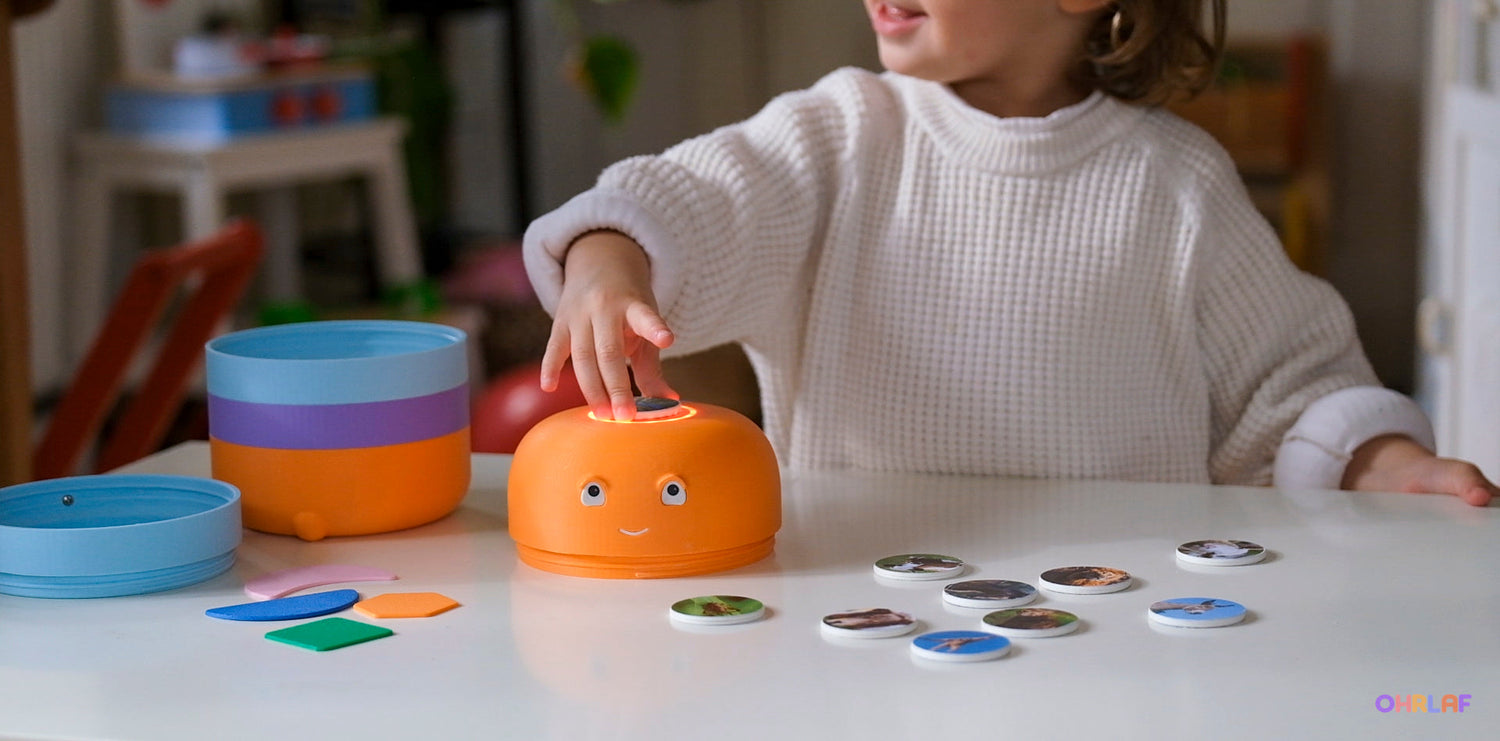
Children don't need apps to develop. They need adventures – ideally, self-invented ones. While daily life in many families is dominated by screens and digital games, developmental psychology clearly shows: Free, creative play is a key to children's healthy emotional development.
What exactly does free play mean?
Free play is what happens when children, without fixed instructions, without a screen, and without external rules, decide for themselves what, how, and for how long they play. Whether they invent entire worlds with play figures, tell stories, or experiment with sounds – they learn far more than meets the eye.
Why is this so important?
-
🧠 Children process experiences through play. Role-playing helps them emotionally process everyday situations.
-
💡 Free play fosters creativity and self-efficacy. Those who develop and try out their own ideas develop healthy self-confidence.
-
🤝 Social skills grow. Even when playing alone, children practice rules, perspective-taking, and emotional reactions – an important foundation for empathy.
-
😌 Play is also relaxation. Especially in an overstimulated world, children need spaces where they can simply be themselves without judgment.
How does Ohrlaf support free play?
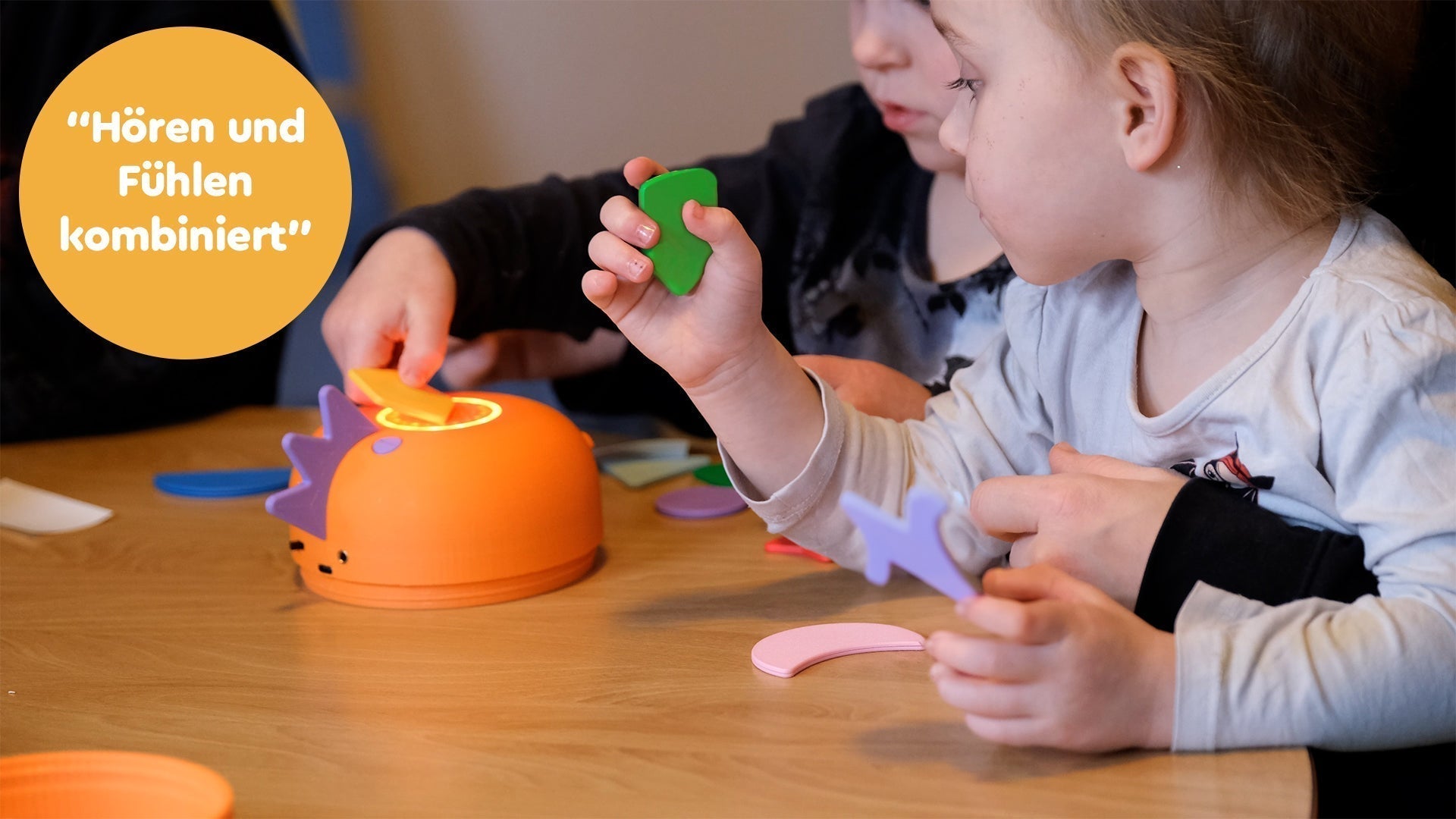
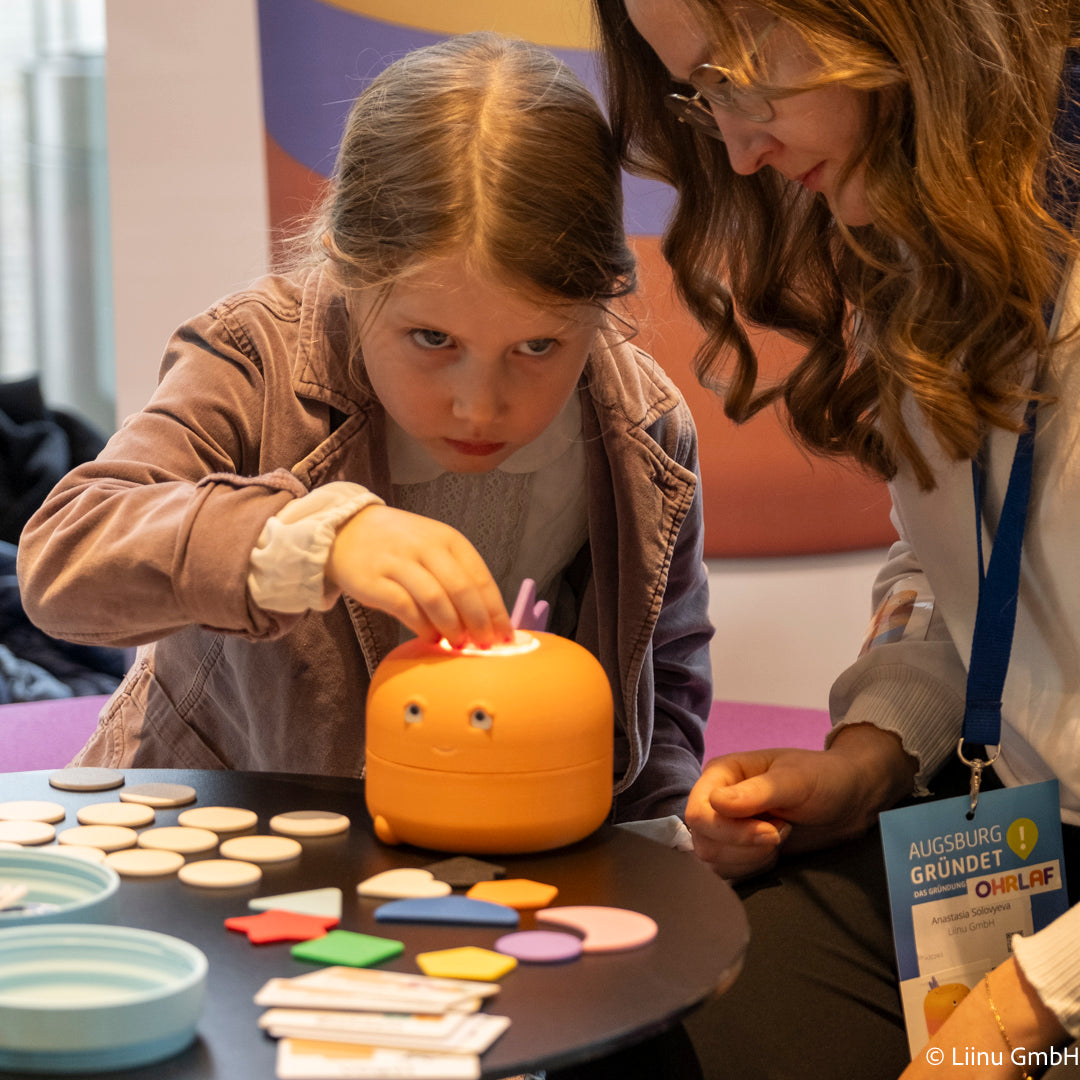
With Ohrlaf, children experience stories, sounds, and tasks not passively, but actively with all their senses. They decide for themselves which sound package they want to hear, which task they want to solve, and how they shape their learning journey.
-
The Ohrlaf chips are like magic keys to new adventures: Today a jungle full of animal sounds, tomorrow a spaceship with math games.
-
No screen – but with imagination. Children create the images in their minds themselves.
-
They play alone or together, completely without external guidance – exactly what their emotional development needs.
What do studies say about this?
-
The American Academy of Pediatrics (2018) emphasizes: “Free play is essential for brain development.”
-
A meta-analysis by Whitebread et al. (Cambridge University) shows: Children who regularly engage in free play have better self-esteem and higher frustration tolerance.
Conclusion:
With Ohrlaf, children finally have space for true free play again – creative, interactive, and screen-free. This strengthens not only their imagination but also their heart.

Leave a comment
This site is protected by hCaptcha and the hCaptcha Privacy Policy and Terms of Service apply.