
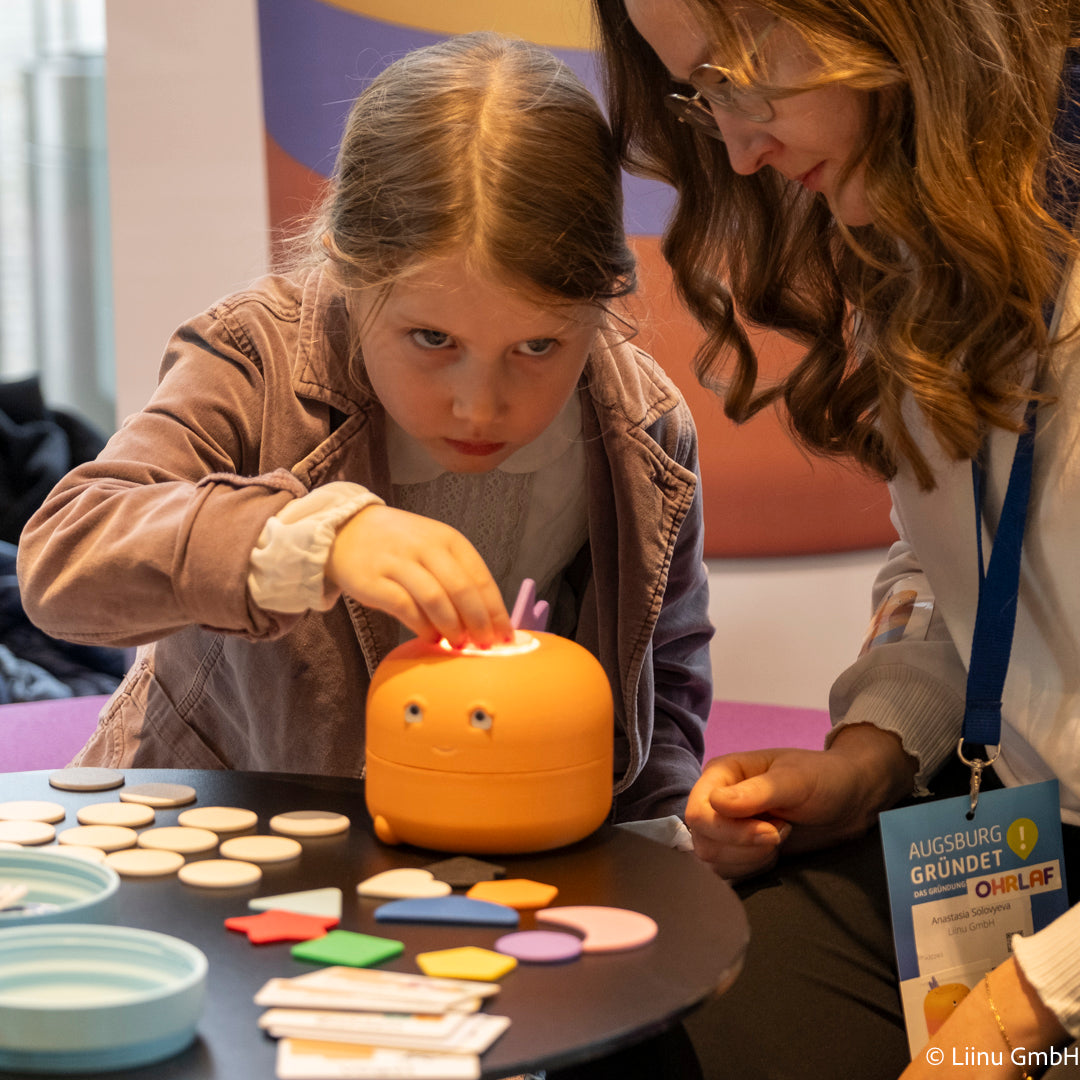
The Toniebox has long been a staple in many children's rooms. No wonder: it delivers audio plays, music, and stories to the box effortlessly via figures – a concept that many parents appreciate. But what happens when passive listening turns into active, thinking play? This is where Ohrlaf takes a decisive step further.
Passive Audio Playbox vs. Active Learning Toy
With classic audio playboxes – like the Toniebox or Tigerbox – listening is the focus. Children place a figure on the box, and the story begins. This is wonderful for quiet moments and initial listening experiences. My kids love them too, and I would have definitely replaced my cassettes with them ;)
However: children learn best by doing. Studies on multisensory learning show that cognitive abilities are best developed when children actively use multiple senses simultaneously (Shams & Seitz, 2008).
With Ohrlaf, we therefore go further:
-
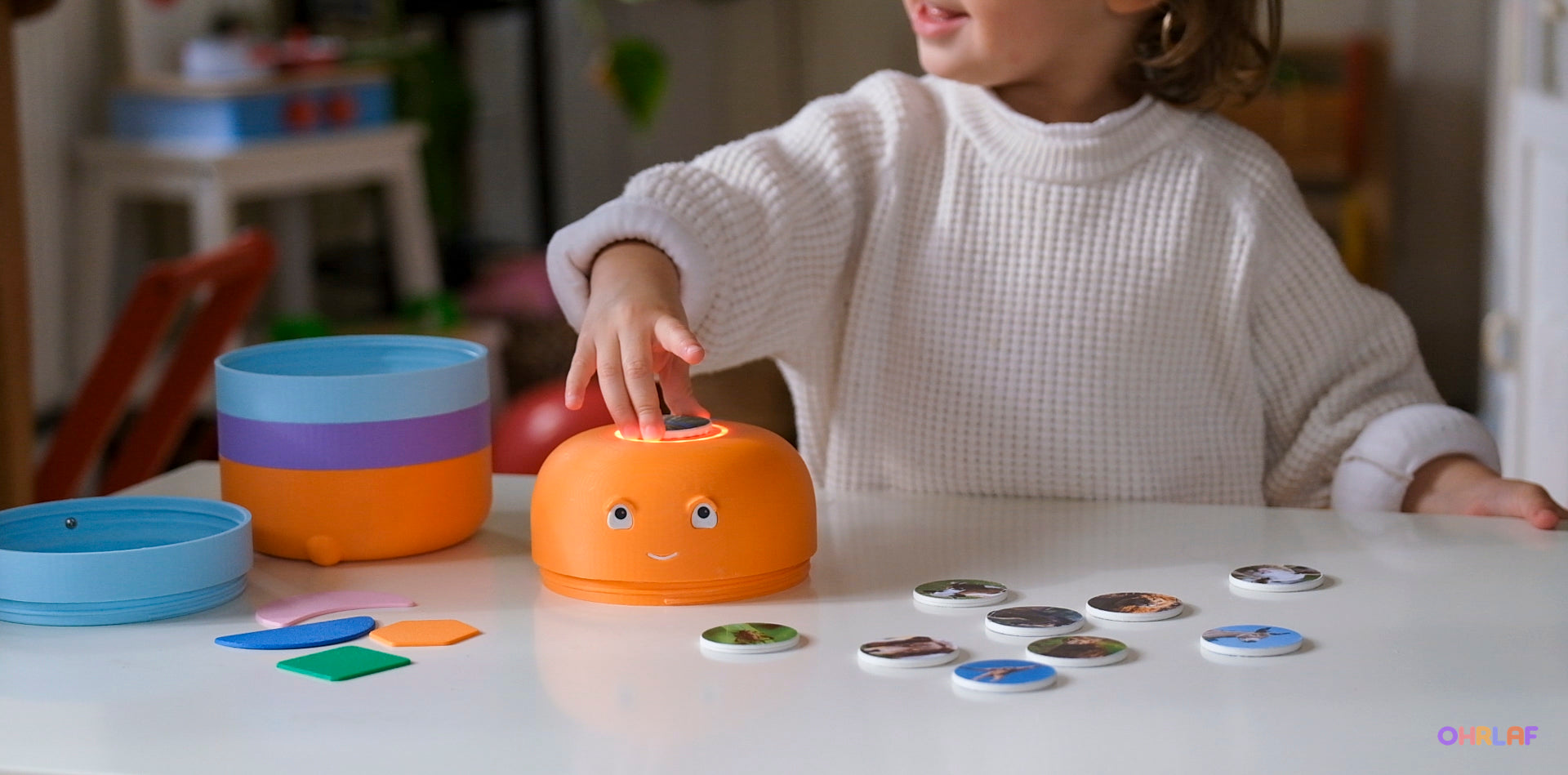
🧠 Listen + Act: Children don't just listen, but actively interact with tasks, riddles, and games.
-
🎮 Game chips instead of figures: Our chips represent thematic worlds that go beyond mere audio plays – they challenge children to guess, sort, and decide.
-
✋ Multisensory & individual: Ohrlaf not only appeals to hearing, but also to motor skills, language, and logic – adapted to age and developmental stage.
What makes interactive play so valuable?
-
Children are not just entertained, but experience stories actively.
-
They learn to answer questions, solve tasks, and make their own decisions.
-
The combination of listening and doing promotes attention span, language comprehension, and problem-solving skills.
💡 Imagination, creativity, and self-efficacy grow when children are not just consumers, but are allowed to co-create.
Why we see Ohrlaf as the next generation of audio playboxes
We don't want to speak against existing products like the Toniebox – they have a valuable place in the everyday lives of many families.
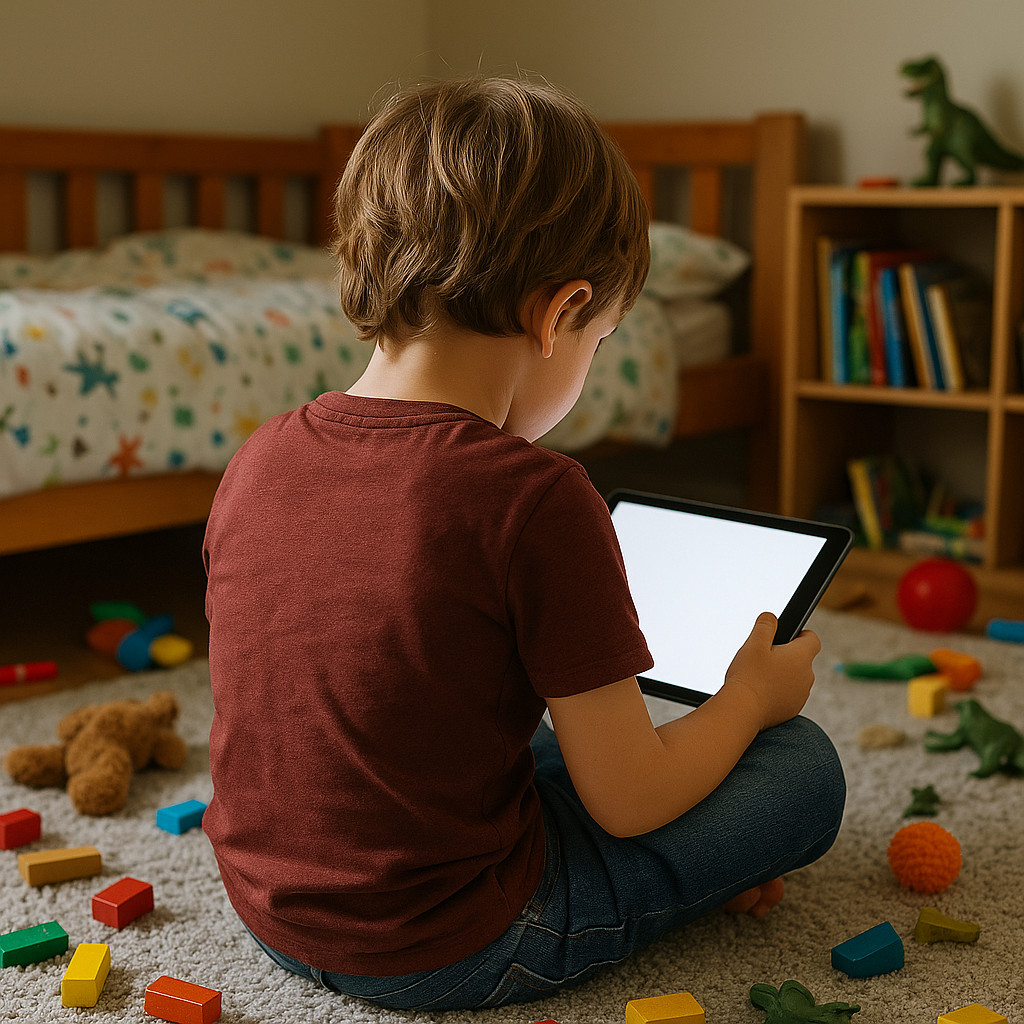
But Ohrlaf is aimed at parents who are looking for the next step: A solution that combines play, education, and technology in a child-friendly way – without a screen, but with a lot of depth.
Conclusion:
The Toniebox tells stories. Ohrlaf lets children become a part of them.
For all those looking for a modern, interactive alternative to the classic audio playbox – welcome to the Ohrlaf adventure.

Leave a comment
This site is protected by hCaptcha and the hCaptcha Privacy Policy and Terms of Service apply.