
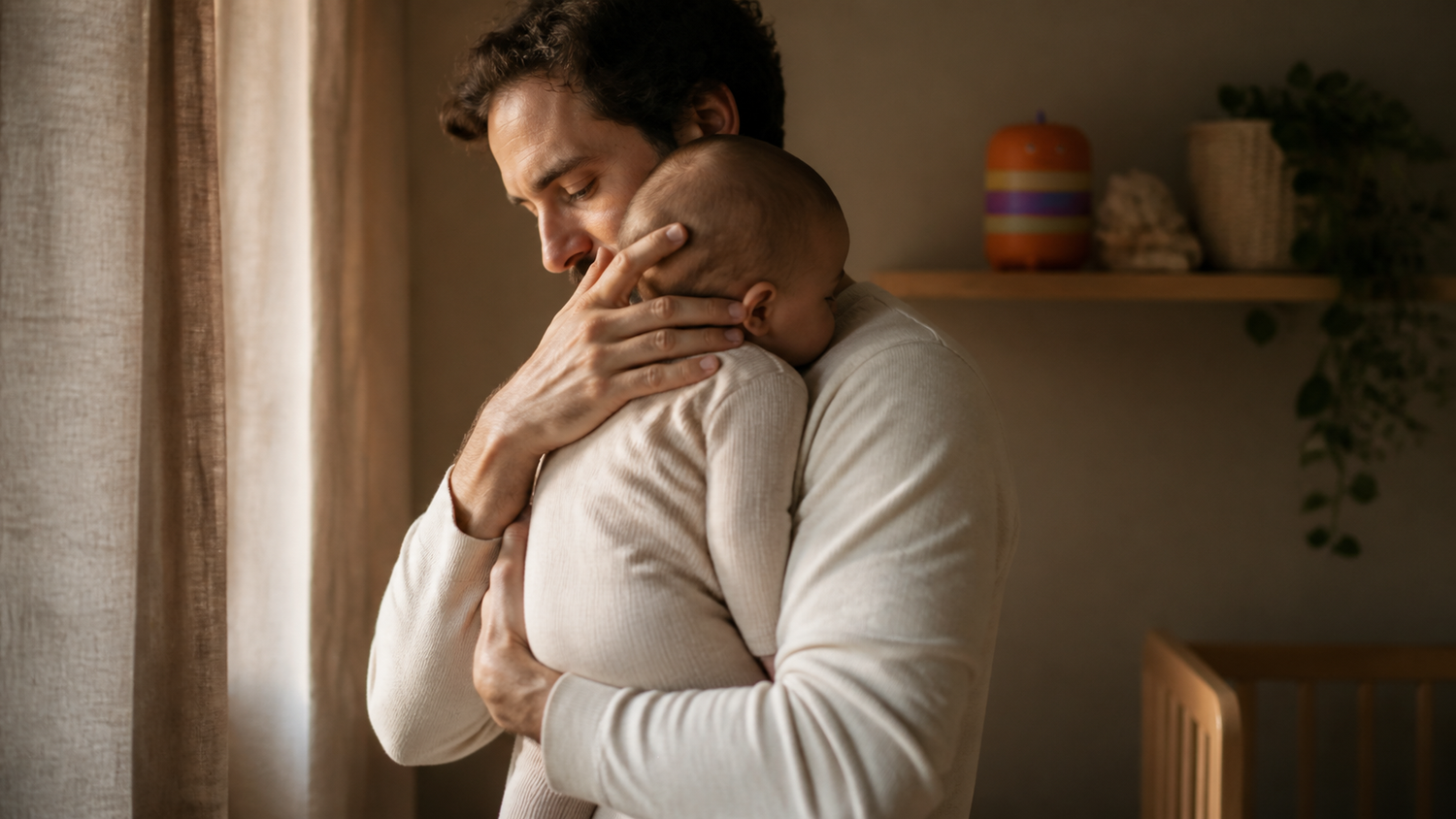
The visit was well-intentioned. Four adults, each wanting to hold the baby, with music in the background and the TV on in the next room. In the evening, your child cries for an hour – and you can't find a reason why.
The reason was the afternoon. However, for babies, there are often hours between cause and reaction, and the early signals are so subtle that they go unnoticed. That's exactly what this is about: the signs that come before the crying. How this changes as the baby becomes a daycare child is covered in the comprehensive guide to sensory overload in children – this text focuses on the first year of life.
Why Babies Reach Their Limit So Quickly
A baby cannot yet filter out stimuli. Light, unfamiliar voices, smells, and their own digestion arrive simultaneously and equally – and they cannot escape the situation.
In addition, there's the short window during which an infant is receptive: The Federal Centre for Health Education (BZgA) states that "in the first months of life, the attention span is still limited to a few minutes." The need for recovery, however, is enormous: In the first three months, babies sleep an average of "16 to 18 out of 24 hours" according to the BZgA.
This creates a cycle: When children "are overtired and overstimulated, falling asleep is very difficult," writes the BZgA – too much input leads to less sleep, and too little sleep further lowers the stimulus threshold.
The 7 Signs – from Quiet to Loud
Only the first signal is explicitly documented: The BZgA advises to respect "when it signals by averting its gaze that it has had enough." The other points are observations from practice – not diagnostic aids.
| # | Signal | What it usually means |
|---|---|---|
| 1 | Averts gaze, turns head away | The first and quietest "enough" |
| 2 | Clenches fists, waves arms, arches back | Tension that finds no release |
| 3 | Rubs eyes, yawns, touches ears | Tiredness that is already past the limit |
| 4 | Whining without hunger, without a full diaper | The classic intermediate step before crying |
| 5 | Hiccups, sneezing, burping without cause | Physical side effect, often overlooked |
| 6 | Unable to fall asleep despite visible tiredness | The overtired baby – the most common misconception |
| 7 | Intense crying without apparent reason, usually in the evening | The loud end of a chain of quiet signals |
Point 6 confuses parents the most: an overstimulated baby rarely seems sleepy, but rather wound up. In addition, a "very young infant can be suddenly and unexpectedly overwhelmed by tiredness" (BZgA) – which is why the time window is so narrow.
What Helps in the Moment – and What Makes it Worse
The most important rule is: one thing, and do it right. The National Centre for Early Intervention (NZFH) warns that "frantic experimentation can lead to overstimulation in your child." Similarly, the BZgA states: "overly frantic attempts to soothe" only make children "more overstimulated and restless."
In this order:
- Remove stimuli, don't add them. Quiet room, dimmed lights, music and TV off.
- Reduce the number of people. One familiar person instead of passing the baby around.
- Choose one method and stick with it. The BZgA mentions "talking to them, singing to them, physical contact, gentle massage"; Early Interventions add carrying in a sling, gentle rocking, and walks.
- Become quieter instead of louder. Your own tension is also a stimulus.
- Afterwards, put them to bed earlier than usual. Don't miss the next sleep window.
Preventatively, the most important thing is: "Avoid overly intense and varied stimuli – especially if your child is rather restless" (BZgA). One activity per day is usually enough in the first year.
Overstimulation or Colic Baby? Where the Line Is Drawn
Some crying is normal: Healthy babies cry "on average 2 to 2.5 hours daily" in the second month of life according to the NZFH. Excessive crying is defined by the rule of threes, when a baby, according to the BZgA, "cries and whines for more than three hours on more than three days a week for an extended period (three weeks)." The institute recommends seeking medical advice if the child "cries and whines more frequently even after the third month of life."
Important: This text is not a substitute for medical assessment. If crying is distressing you, seek support early – the NZFH recommends family and parenting counseling centers and specialized crying clinics. Seeking help early is not a failure, but the shorter path.
And Audio Media? Not Yet for Babies
A natural thought: If images are too much, then audio. For infants, this only applies to a limited extent. The BZgA points out that "too many stimuli at once (noisy electronic toys plus music, TV plus screaming from the next room)" can be overwhelming; also "too loud noises or 'constant exposure' to music" can quickly be too much for babies. In the maximum duration table, for children under three years, it logically states: screen media "preferably not at all," audio media "a maximum of 30 minutes."
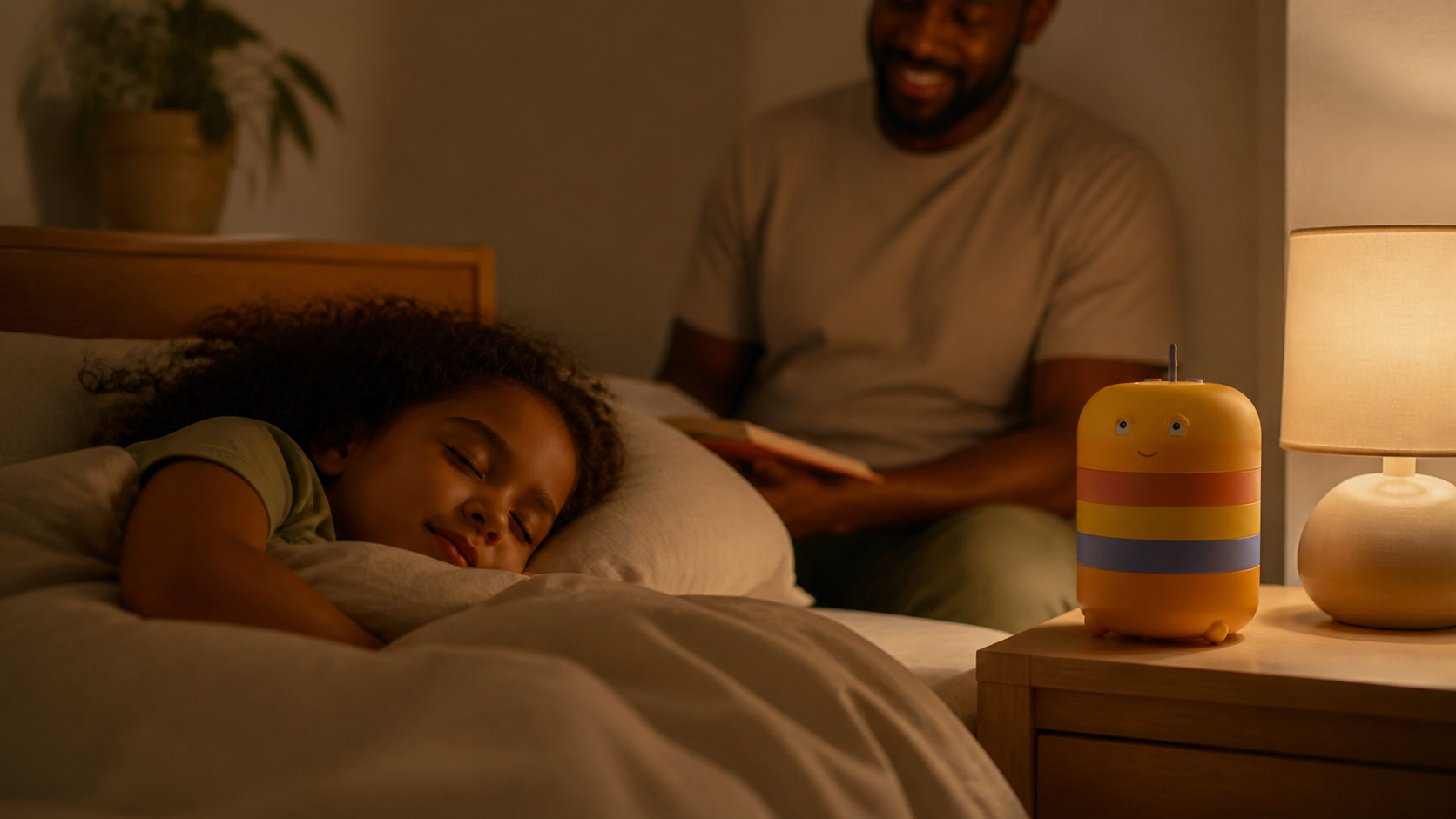
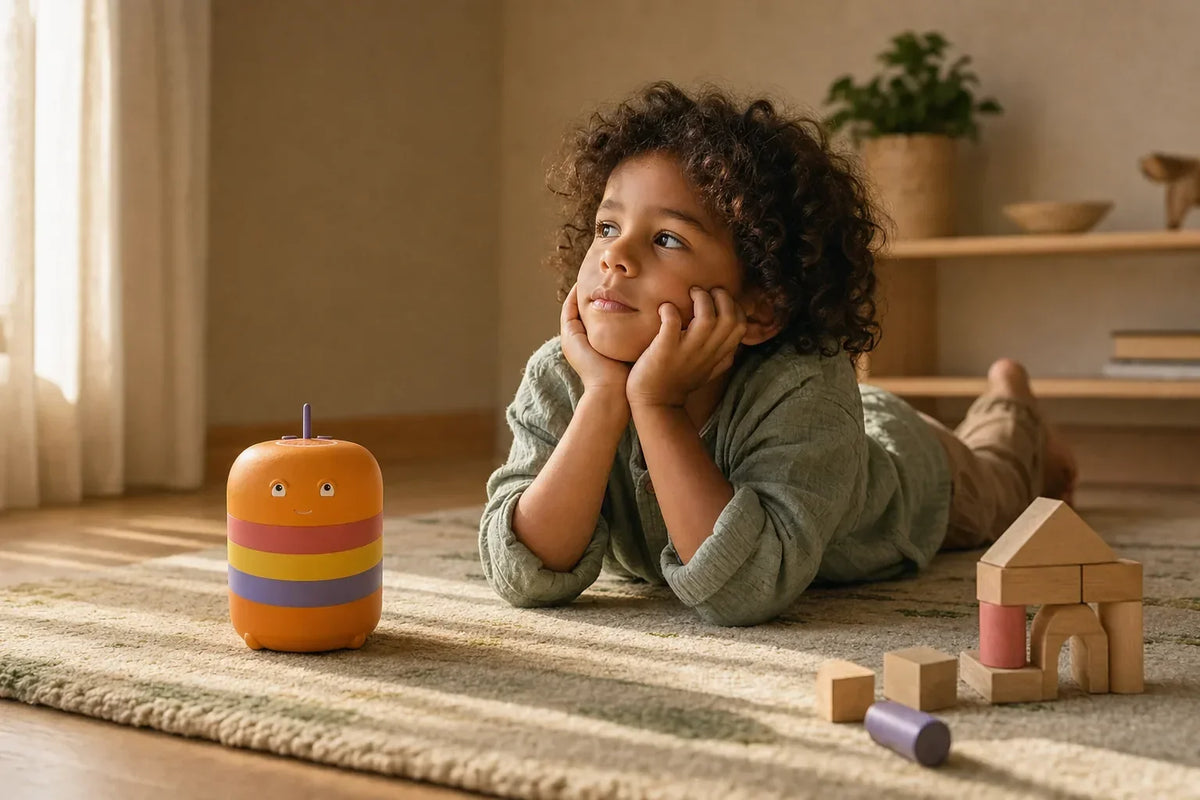
Therefore, an honest note about our own product: Ohrlaf is a screen-free audio box for children from about three years old – it is not intended for a baby. It becomes interesting later when your child wants to decide what's playing. Until then, your voice beats any device.
Conclusion
Sensory overload in babies is not a sign of sensitivity, but of a nervous system without filters. The signals come earlier than crying – with averted gaze, not just tears.
What helps is unspectacular: less activity, fewer people, one soothing method instead of five, and quiet before the window closes. What to do to keep older children busy without increasing the stimulus level is covered in our article on sensory toys.
Frequently Asked Questions
How does overstimulation manifest in babies? Usually quietly at first: The baby averts its gaze or turns its head away – a signal that the BZgA explicitly recommends respecting. Later, fussing, arching the back, clenching fists, and intense crying without apparent cause are added, often in the evening.
How long does sensory overload last in babies? There is no reliable figure for this. Many parents report that their baby needs significantly longer than usual after a stimulating day – sometimes it can last the whole evening. Compounding this is that, according to the BZgA, being "overtired and overstimulated" makes falling asleep even more difficult.
How can I avoid sensory overload in my baby? The central advice from the BZgA is: "Avoid overly intense and varied stimuli – especially if your child is rather restless." Specifically: a maximum of one activity per day, manage visitors, turn off background media – and take early signs of tiredness seriously, instead of waiting for crying.

Leave a comment
This site is protected by hCaptcha and the hCaptcha Privacy Policy and Terms of Service apply.